What are MCP connectors? MCP connectors simplify how LLMs and agents access tool, but tool-specific implementations create fragmentation. See how an AI gateway unifies production-ready MCP connectors.
The AI governance problem in higher education and how to solve it From cost control to safe tool access, managing GenAI across campus isn’t simple. This post breaks down the operational challenges and what a centralized AI gateway should solve.
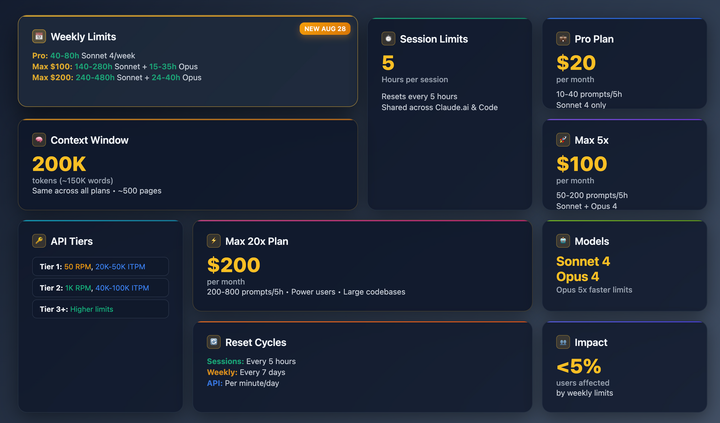
Everything We Know About Claude Code Limits Last updated - March 2026 TL;DR * For Claude.ai Users: The core limit is a 5-hour rolling session that begins with your first prompt. Weekly quotas (introduced August 28, 2025) now apply to heavy users on Claude Pro and Claude Max plans. All Claude.ai plans share a common
Scaling LibreChat for enterprise use: tracking, visibility, and governance LibreChat is powerful, but lacks the control and visibility enterprises need. Learn how Portkey makes LibreChat production-ready with governance, observability, and security guardrails.
Making Claude Code work for enterprise-scale use with an AI Gateway Learn how to make Claude Code enterprise-ready with Portkey. Add visibility, access control, logging, and multi-provider routing to scale safely across teams.
Retries, fallbacks, and circuit breakers in LLM apps: what to use when Retries and fallbacks aren’t enough to keep AI systems stable under real-world load. This guide breaks down how circuit breakers work, when to use them, and how to design for failure across your LLM stack.
How to add enterprise controls to OpenWebUI: cost tracking, access control, and more Learn how to add enterprise features like cost tracking, access control, and observability to your OpenWebUI deployment using Portkey.