Evaluating Prompt Effectiveness: Key Metrics and Tools Learn how to evaluate prompt effectiveness for AI models. Discover essential metrics and tools that help refine prompts, enhance accuracy, and improve user experience in your AI applications.`
How to Build Multi-Agent AI Systems with OpenAI Swarm & Secure Them Using Portkey Learn how to build multi-agent AI systems using OpenAI Swarm, an educational framework designed for managing collaborative AI agents with Portkey.
Elevate Your ToolJet Experience with Portkey AI Integrate Portkey with ToolJet to unlock observability, caching, API management, and routing, optimizing app performance, scalability, and reliability.
Chain-of-Thought (CoT) Capabilities in O1-mini and O1-preview Explore O1 Mini & O1 Preview models with Chain-of-Thought (CoT) reasoning, balancing cost-efficiency and deep problem-solving for complex tasks.
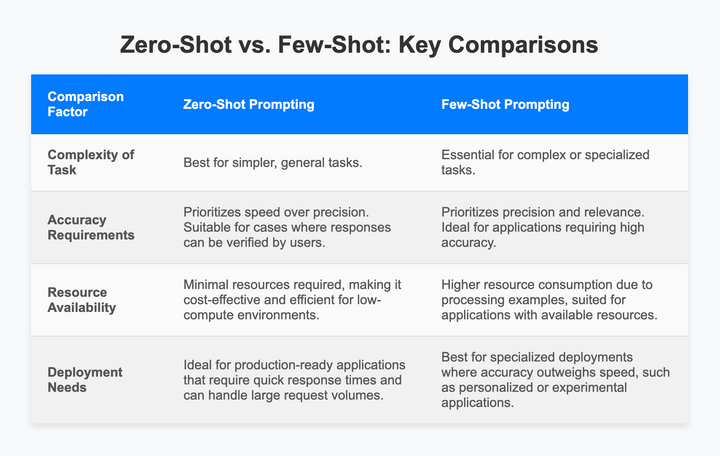
Zero-Shot vs. Few-Shot Prompting: Choosing the Right Approach for Your AI Model Explore the differences between zero-shot and few-shot prompting to optimize your AI model's performance. Learn when to use each technique for efficiency, accuracy, and cost-effectiveness.
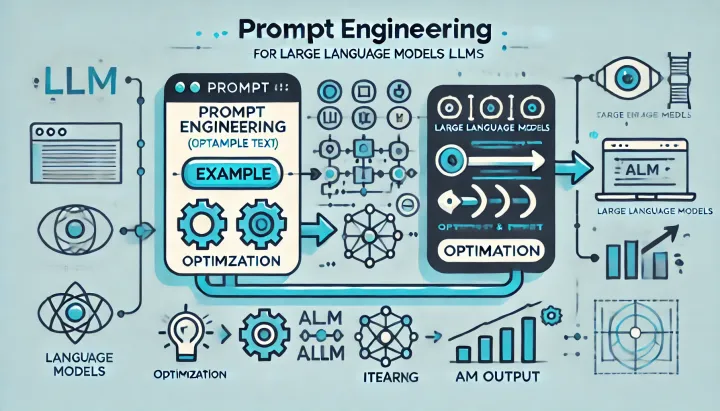
The Complete Guide to Prompt Engineering What is Prompt Engineering? At its core, prompt engineering is about designing, refining, and optimizing the prompts that guide generative AI models. When working with large language models (LLMs), the way a prompt is written can significantly affect the output. Prompt engineering ensures that you create prompts that consistently generate
OpenAI - Fine-tune GPT-4o with images and text OpenAI’s latest update marks a significant leap in AI capabilities by introducing vision to the fine-tuning API. This update enables developers to fine-tune models that can process and understand visual and textual data, opening up new possibilities for multimodal applications. With AI models now able to "see"