

Obtaining Your API Key
Create or log in to your Portkey account. Grab your account’s API key from the “Settings” page.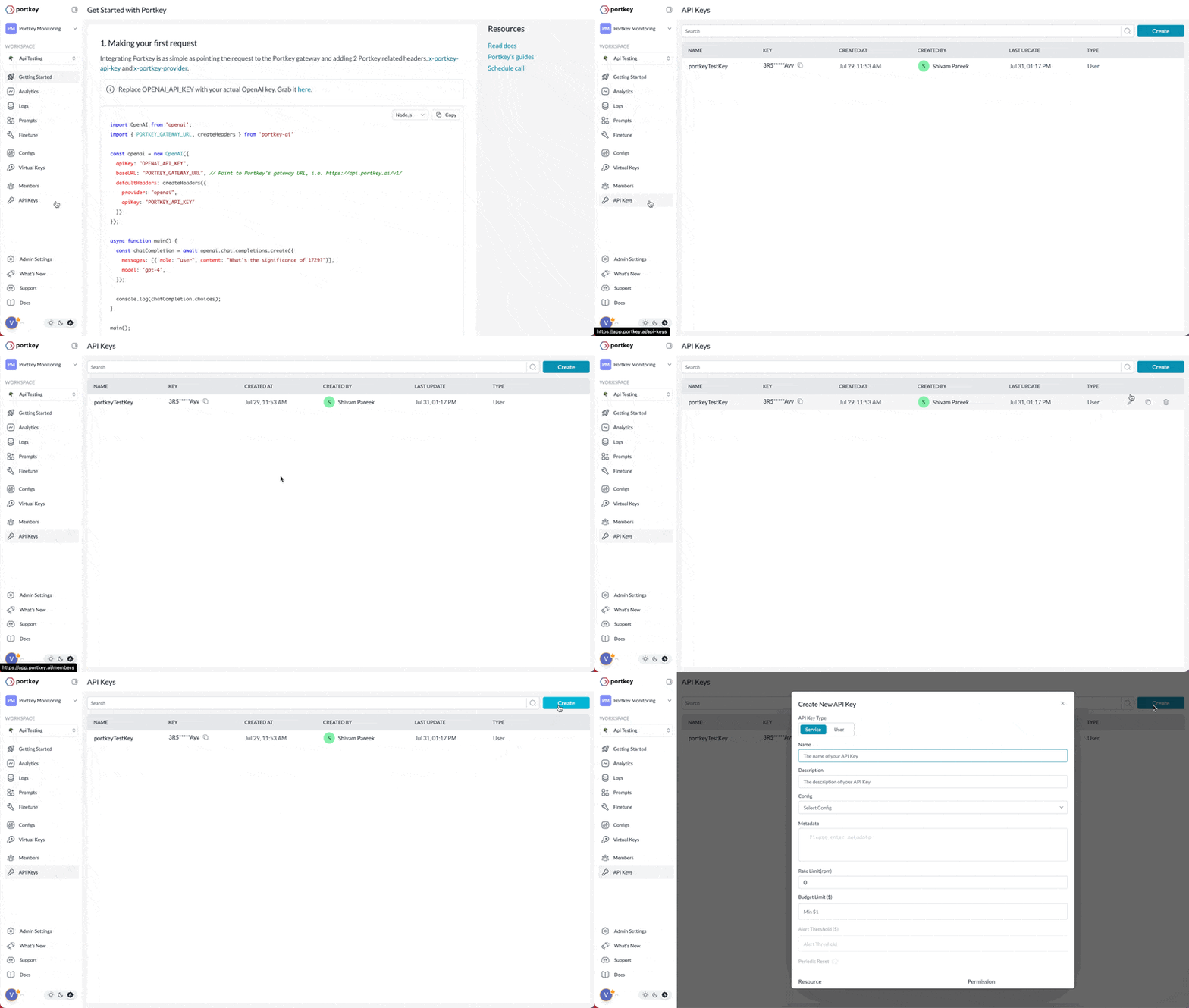
JWT-based Authentication
You can also authenticate Portkey using JWT Tokens. Learn more here
Authentication with SDKs
Portkey SDKs
- NodeJS SDK
- Python SDK
- cURL
OpenAI SDK
When integrating Portkey through the OpenAI SDK, modify the base URL and add thex-portkey-api-key header for authentication. Here’s an example of how to do it:
We use the
createHeaders helper function from the Portkey SDK here to easily create Portkey headers.You can pass the raw headers (x-portkey-api-key, x-portkey-provider) directly in the defaultHeaders param as well.- NodeJS
- Python
JWT-based Authentication
Portkey supports JWT-based authentication as a secure alternative to API Key authentication. With JWT authentication, clients can authenticate API requests using a JWT token that is validated against a configured JWKS (JSON Web Key Set). This enterprise-grade authentication method is available as an add-on to any Portkey plan. JWT authentication provides enhanced security through:- Temporary, expiring tokens
- Fine-grained permission scopes
- User identity tracking
- Centralized authentication management
JWT Token Authentication
Learn how to implement JWT-based authentication with Portkey
Interested in adding JWT authentication to your Portkey plan?Contact our sales team to discuss pricing and implementation details.
Portkey is now PRISMA AIRS AI Gateway. See it in action.
Contact Us